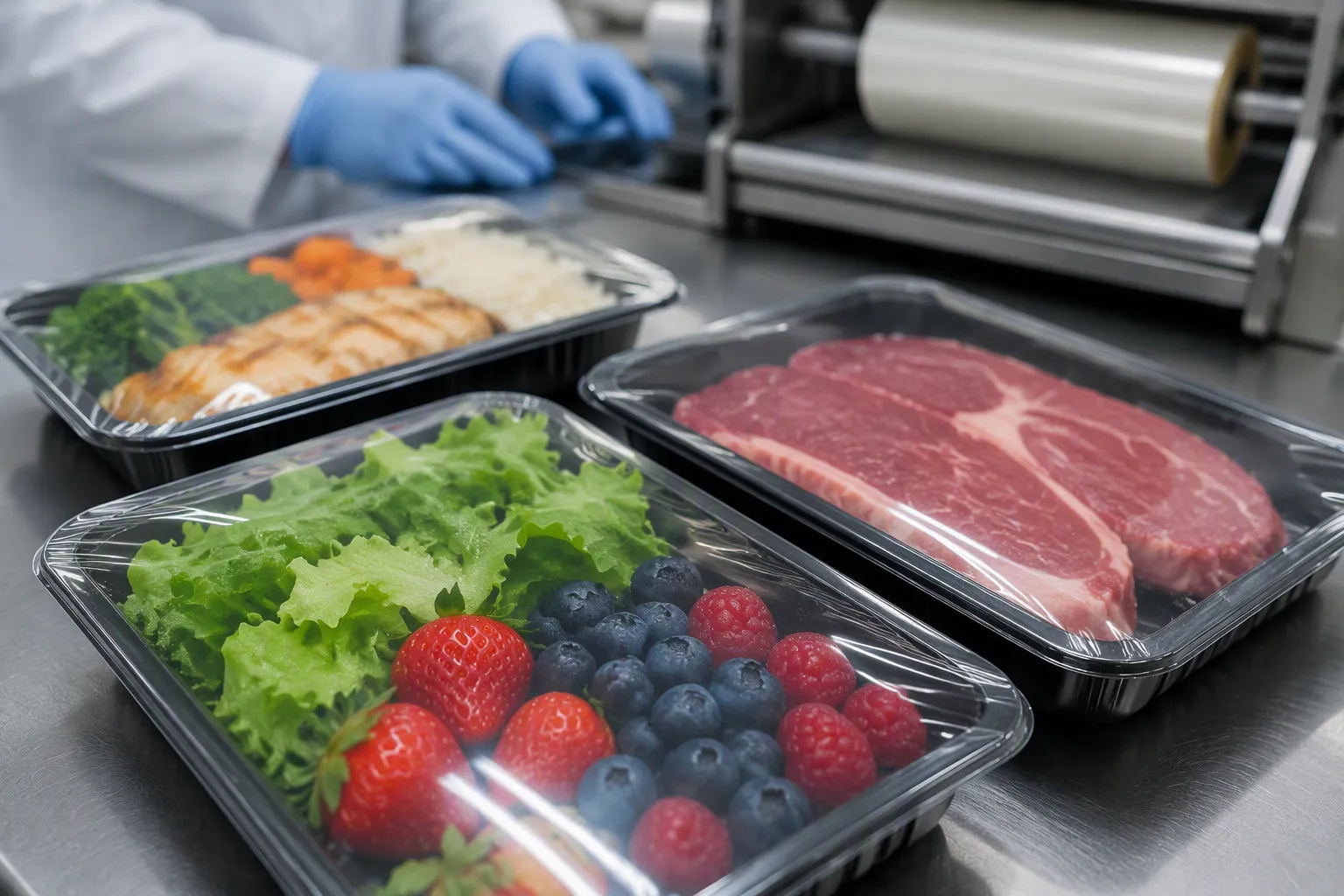
Picture this: you peel off a yogurt lid, but sticky stuff stays on it. Or you open a sealed tray and find spoiled food. What keeps food fresh, safe, and easy to use? Lidding films are the quiet heroes of modern food packaging. They form a tight seal on trays, cups, and jars, keeping contents safe from germs. This article looks at main uses of these lidding films and their pluses. It also gives tips on picking the right film for your needs. Top companies like Sunkey Packaging are creating new, eco-friendly Lidding Film options for the market.
Key Takeaways
Lidding films close food packages tightly to keep the food fresh and safe.
These films block oxygen, moisture, and light to keep food fresh.
Easy-peel and resealable features make packaging easier to use.
Microwaveable lidding films let you heat food quickly right in the container.
Good printing on films makes brands look different on store shelves.
Eco-friendly lidding films cut down on waste and lower their carbon footprint.
The film you choose depends on the food type and storage conditions.
New inventions, such as super hydrophobic films, stop food from sticking to lids.
What Are Lidding Films?
Lidding films are thin, bendable packaging materials that close the top of hard containers like trays, cups, and jars. You see them every day—the pull-off cover on a yogurt cup, the sealed wrap on a deli meat tray, or the top on a ready-to-eat meal box. These films do more than shut a package; they keep the food safe from air, wetness, and dirt while giving you easy-open features.
Structure and Composition of Lidding Films
Multi-Layer Construction for Barrier Performance
A lidding film is rarely made of just one material. Makers build it from many layers, and each layer has its own job. This design gives the film strong protection without making it thick or heavy.
Layer
Typical Material
Function
Outer/Printing
PET (BOPET)
Printing surface, stiffness, wear resistance
Middle/Barrier
Aluminum foil
Nearly absolute oxygen, moisture, and light barrier
Inner/Sealing
Polyethylene (LDPE)
Heat sealing, peelability, content resistance
The outer layer, often PET, gives the film strength and a smooth area for printing. This layer lets brands show bright pictures, product details, and nutrition facts right on the package. The middle layer is the protective core. Aluminum foil blocks oxygen, moisture, and light almost fully. Some films use EVOH or metallized options, which also stop oxygen well. Barrier layers slow down spoilage and can keep food fresh up to 2–3 times longer than plain packaging. The inner layer, usually polyethylene or polypropylene, forms the bond with the container edge. This layer must melt at the right heat during sealing to make a strong hold.
This layered build explains why lidding films work so well. Each layer adds its own trait: the barrier stops oxygen and moisture, while the other layers add strength, flexibility, and sealing power. Makers can change the mix to fit what the product needs.
Sealant Layers for Peelable or Weldable Bonds
The sealant layer decides how the film opens. There are two main choices: peelable and weldable seals. Peelable seals let people open the package by pulling the film off the container. These seals need careful design—strong enough to stay shut during shipping and storage, yet simple enough for anyone to open without ripping the film or leaving bits behind. Weldable seals create a permanent, tamper-proof closure. You must cut or tear the film to get to the food. This choice fits products that need the most safety or security.
How Lidding Films Work in Food Packaging
Creating an Airtight Seal for Protection
Heat sealing machines apply controlled heat to the film's sealant layer, causing it to melt and join with the container edge. This join creates a continuous, airtight closure that stops air from passing through. The seal initiation temperature (SIT) is the lowest heat where the sealing layer makes a strong bond with the container edge. This number matters because it shows the least heat needed for the sealant layer to stick firmly to the container, making sure the seal is complete and blocks air or moisture.
The process follows a simple order:
Heat-sealing machines warm up sealing bars or parts to a set temperature.
These warm parts press down on the packaging material.
The controlled heat joins the material at the seam.
This join creates an airtight and tamper-proof seal, keeping the product safely closed.
For food items, this airtight seal keeps freshness and extends shelf life. Without it, oxygen would get in and speed up spoilage, while moisture could change texture or grow bacteria.
Compatibility with Various Container Materials
Lidding films must fit the container they close. Common container materials include polypropylene (PP), polyethylene terephthalate (PET), and polystyrene (PS). Each material has its own melting point and surface traits, so the film's sealant layer must work with it. A film made for PP containers may not seal well on PET trays. Makers test compatibility during development to ensure strong seals on different container types. This care matters because a failed seal causes leaks, spoilage, and unhappy customers.
Sunkey Packaging brings extensive expertise to making lidding films. The company mixes advanced material science with exact production to deliver films that meet the needs of modern food packaging. Whether you need high-barrier protection for fresh meat or easy-peel convenience for dairy cups, a well-made lidding film serves as key protective packaging that keeps products safe from the factory to your kitchen table.
Key Applications of Lidding Films in Food Packaging
Lidding films do many jobs across different product types. You see them on fresh produce trays, meat packages, dairy cups, ready-to-eat meals, and bakery items. Each use needs specific features from this protective packaging. Let's look at how these films meet the needs of each type.
Extending Shelf Life for Fresh Food
Fresh foods go bad fast without proper wrapping. Lidding films create a controlled space inside the container. This slows spoilage and keeps food fresh longer. A well-made film extends shelf life by keeping oxygen and moisture at the right levels.
Modified Atmosphere Packaging (MAP) for Produce and Meat
MAP changes the gas mix inside a sealed container. The film holds the right balance of gases to slow decay. For fresh produce, you lower oxygen and raise carbon dioxide. This keeps vegetables crisp. For raw meat, you lower oxygen to stop bacterial growth. The lidding must hold this gas mix tightly. Any leak ruins the atmosphere.
Common items that benefit from MAP lidding include:
The barrier layer is key here. It keeps oxygen out and maintains the inner atmosphere. Without this protection, products lose quality in days instead of weeks.
Moisture Control for Bakery and Deli Items
Bakery products need a different approach. Breads, pastries, and cakes lose moisture quickly. Deli meats and cheeses release moisture that can cause spoilage. Lidding films control this moisture movement. They keep the right humidity level inside the package. A film that lets too much moisture escape dries out the product. A film that traps too much encourages mold. The right balance extends freshness and cuts waste.
Ensuring Safety for Ready-to-Eat Meals
Ready-to-eat meals face strict standards. These products go from processor to consumer without extra cooking. The packaging must guard against bacteria, oxygen, and physical damage. This protective packaging is vital for preventing contamination.
High-Barrier Films for Cook-Chill and Sous-Vide Products
Cook-chill meals are cooked, then quickly chilled and stored at low temperatures. Sous-vide cooking seals products in a vacuum pouch and cooks them in water. Both methods rely on the lidding to keep things sterile.
For easy peel lidding films used in these applications, the oxygen transmission rate must stay below 10 cc/m²/day. This limit keeps products safe and fresh throughout their intended shelf life.
High-barrier films combine aluminum foil or EVOH layers with strong sealants. They handle temperature changes from cooking to chilling. They also resist punctures during shipping. This level of protection is vital for items that consumers eat without further cooking.
Microwaveable Options for Consumer Convenience
Modern consumers want quick meals. Microwaveable lids let you heat items right in the container. You peel back a corner or vent the film, and everything goes into the microwave. The film must handle high temperatures without melting.
These solutions keep things clean during reheating. They stop splattering and contain steam. The easy-open feature means you don't fight stubborn seals when you're hungry. This convenience makes microwaveable lids a popular choice for frozen dinners and meal kits.
Packaging Solutions for Dairy Products
Dairy represents the largest market for these films. Industry data shows that dairy products hold about 28.88% of the plastic lidding films market in 2025. Yogurt cups, cottage cheese containers, and cheese spreads all rely on these films for protection. This category alone shows the importance of proper protective packaging.
Easy-Peel Seals for Yogurt and Sour Cream
Yogurt cups demand a perfect balance. The seal must be strong enough to stop leaks during shipping. It must be easy enough for anyone to open without frustration. Standard targets help guide manufacturers.
Metric
Value
Peel Force Consistency
2.8 N/15mm
Seal Strength
25 N/15mm
These numbers ensure steady, user-friendly seals across production batches.
Sunkey Packaging offers a breakthrough with its Super Hydrophobic High Efficiency Yogurt Lidding Film. This film features a highly water-repellent surface that prevents yogurt from sticking to the lid. You get zero waste from every cup. The film also includes a micro-perforated easy-tear design with tiny perforations that reduce the tearing force, making opening effortless. The film passes rigorous online testing for seal integrity, so you never worry about leaks or spoilage.
Resealable Options for Cheese and Spreads
Cheese and spreads need protection over multiple uses. Consumers open the package, take some product, and want to close it again. Resealable lidding films solve this problem. They include a peelable layer that reseals after opening. This keeps the product fresh in the refrigerator and stops odor transfer.
Resealable options also reduce product waste. You use only what you need, and the rest stays protected. For cheese, this means no dried edges or mold growth. For spreads, it means no crust forming on the surface. These features improve the user experience and build brand loyalty.
Benefits of Lidding Films for Food Safety and Quality
Lidding films do more than just close a container. They keep your food safe from harm. You get products that stay fresh and safe to eat. These films also make your life easier. Let's look at the main benefits they bring to your table.
Barrier Protection Against Contaminants
The main job of these films is to keep threats out. You want your meal to stay safe from the factory to your home. This protective packaging creates a strong wall against many dangers.
Oxygen and Moisture Barriers for Extended Freshness
Your meal faces several enemies. Oxygen turns fats rancid. Moisture grows mold. Light breaks down vitamins. Bacteria spoil products. Lidding films block all these threats.
Some uses need very low oxygen passage, especially for items like juices, deli meats, cooked meals, and more. In these cases, we may suggest films with OTRs below 1 cc/m²/day, often using EVOH or other barrier layers.
Sunkey Packaging's yogurt lidding film takes this protection further. It maintains very low oxygen transmission, contributing to longer shelf life and reduced inventory loss. The film also remains flexible and strong under refrigerated conditions. Its water-repelling coating and sealing strength stay effective even in cold environments. The oxygen barrier is the key to keeping food fresh over time.
You can trust that this protective packaging stops these contaminants:
Moisture that causes sogginess or mold
Oxygen that leads to spoilage
Light that degrades nutrients and colors
Bacteria and microorganisms that cause illness
Other outside elements that enter the package
Preventing Leakage and Tampering
A strong seal stops leaks during shipping and storage. You find no mess in your refrigerator. The film also shows if someone has opened the package. You see right away if someone has opened the package before you. This gives you confidence that your item is safe.
Enhancing Consumer Convenience
Modern life moves fast. You want packaging that works with your schedule. This protective packaging delivers that convenience.
Easy-Peel and Resealable Features for Reduced Waste
Opening stubborn packaging frustrates everyone. Easy-peel films solve this problem. You pull the tab and the film comes off cleanly. No wrestling with the package. No torn lids.
Sunkey's yogurt film uses a micro-perforated easy-tear design. Tiny perforations in the heat-sealed edge reduce the tearing force, making opening effortless. The seal stays perfect through rigorous online testing. You get no leaks and no spoilage. This design helps keep food fresh after opening.
Resealable options let you close the package after use. You use only what you need. The rest stays fresh for another day. This cuts down on waste.
Microwaveability for On-the-Go Lifestyles
Busy schedules demand quick solutions. Microwaveable options let you heat items right in their container. You vent the film or peel back a corner. Then you put the whole thing in the microwave. No extra dishes. The film handles high heat without melting. You save time and cleanup.
Supporting Branding and Sustainability Goals
Lidding films help brands look good on the shelf. They also help the planet. Modern films balance both goals.
High-Quality Print Surfaces for Brand Visibility
Your package sells your product on the shelf. High-quality printing makes your product stand out:
Vibrant colors catch the eye from across the aisle
Sharp graphics and easy-to-read text build trust
Premium finishes like matte or gloss signal quality
Consistent color across every unit builds brand recognition
Sunkey's film supports high-quality printing with vibrant colors and sharp detail. Your brand looks its best. The printing surface brings your design to life.
Eco-Friendly Materials and Recyclable Options
Good packaging protects both meals and the environment. Sunkey uses water-based inks and food-grade materials. The film's dissolution levels are well below regulatory limits. The thinner build and improved coating reduce carbon footprint significantly, saving CO₂ emissions per area of film.
You get better food safety without harming the planet. This is protective packaging that meets strict standards. It carries relevant certifications for quality and safety. You know your product is safe and your packaging is responsible.
How to Choose the Right Lidding Film for Your Food Product
Picking the right lidding film takes careful thought. You need to match the film to what your product needs. A bad choice can ruin food, upset customers, and waste money. A good choice keeps your product safe and helps your brand. This part guides you through the key choices ahead.
Assessing Product Requirements
Every food product has its own needs. One film cannot work for everything. Start by learning what your product needs to stay fresh and safe.
Analyzing Food Type, Processing, and Storage Conditions
First, look at what your product is like and how delicate it is. Foods that spoil fast, like meat and seafood, need films with strong barriers. Foods that release moisture need tight seals to stop leaks. Think about these points:
How much does oxygen hurt your product?
Does your product give off or soak up moisture?
What hot or cold temperatures will your product face?
How long does your product need to stay fresh?
Where you store the product matters a lot. Storage conditions, such as temperature and humidity, affect film performance. You must pick a film that fits your real storage setup.
Next, decide what dangers your film must stop. Oxygen causes food to spoil and turn bad. Moisture leads to mold and changes in texture. Light breaks down nutrients and colors. Each danger needs its own barrier layer.
Look at these points when checking your choices:
Clarity – Lets people see the product and makes it look good
Thickness – Changes strength, barrier power, and how machines handle it
Color and composition – Affects branding, see-through quality, and recycling
Food compatibility – Keeps food safe and meets rules
Heat and chemical resistance – Needed for retort or cleaning processes
Sustainability – Helps the environment with recyclable or natural materials
Your barrier choice directly changes shelf life. A strong film with aluminum foil blocks almost all oxygen. A simpler film may work for products that do not last long. Match the barrier to what your product needs, not to the priciest choice out there.
Evaluating Packaging Line Compatibility
Your chosen film must work on the machines you already have. A film that looks perfect on paper fails if your equipment cannot seal it right.
Heat Seal Temperature and Dwell Time Considerations
Heat sealing attaches the film to your container. You must check that the film works well with your packaging line settings. These include sealing heat, line speed, and how long the press stays down. A film that needs more heat than your machine gives will not seal right. A film that seals at too low a heat may pop open during shipping. Test your film on your real line before you order a big batch.
Compatibility with Container Shape and Material
Your film must stick well to your container. Check that it works with your tray material. Make sure the lidding film bonds well to PET, PP, PS, or mixed-layer trays. Each material has different surface traits. A film made for polypropylene may not seal on PET trays. Container shape also matters. Deep trays and odd shapes need films that bend and fit well.
Balancing Cost, Performance, and Sustainability
You must weigh different priorities. The cheapest film may cost you more in ruined food. The best film may go over your budget. Find the middle ground that fits your business.
Comparing Material Options and Supply Chain Efficiency
Compare different material builds. A simpler film costs less but may shorten shelf life. A complex multi-layer film costs more but cuts down on spoilage. Think about your supply chain too. Can your supplier deliver on time? Do they offer steady lead times? A cheaper film from a shaky source creates delays in production.
Navigating Regulatory Compliance and Certifications
Your protective packaging must follow the law. Look for certifications that prove quality and safety. Sunkey Packaging holds relevant certifications that demonstrate quality and safety. These credentials show that their films meet world standards. When you pick a certified supplier, you lower your own rule-related risks. You also gain trust that your packaging keeps consumers and nature safe.
Sunkey Packaging offers custom services and material research skills. Their team helps clients build lidding film solutions made for them. You do not have to accept a one-size-fits-all product. You can work with experts to create the right film for your exact needs.
Innovations in Lidding Films by Sunkey Packaging
Sunkey Packaging leads in lidding film technology. Their main product, the Super Hydrophobic High Efficiency Yogurt Lidding Film, shows how smart design solves real problems for people. This film has four layers: PET, aluminum foil, PE, and a food-grade coating that repels water. Each layer has a different job, from printing to blocking air and moisture. The result is a lidding solution that changes the dairy packaging experience.
Super Hydrophobic Technology for Dairy Packaging
Zero-Adhesion Surface for Zero Waste
You know how annoying it is when you peel off a yogurt lid and half the snack is stuck to it. Regular films have this problem because yogurt spreads and clings to them. Sunkey's new design fixes this completely. The food-grade coating makes the surface so repellant that yogurt forms beads instead of spreading.
Property
Sunkey Film
Conventional Film
Contact angle
Very high
Moderate
Coating thickness
Very thin
Varies
Yogurt adhesion
None
Significant
This higher contact angle makes the surface so repellant that yogurt cannot stick. You get every last spoonful from each cup. No sticking means no waste. For dairy makers, this feature cuts down on complaints and builds brand loyalty. People remember brands that care about their food budget.
Micro-Perforated Easy-Tear Design
Opening a tough lid should not need scissors or a lot of strength. Sunkey's engineers fixed this with tiny perforations placed in the sealed edge. They create a path for tearing that guides the tear smoothly.
Parameter
Improved Design
Ordinary Film
Tearing force
Low
Moderate
Force reduction
Significant
—
Tear direction consistency
High
Lower
This design significantly reduces the force needed. Opening a yogurt cup becomes easy, even for kids or older people. The seal stays perfect through rigorous online testing. You get easy access without losing the packaging's safety.
Sustainable Manufacturing and Materials
Water-Based Inks and Food-Grade Materials
Sustainability begins with what is in the film. Sunkey uses water-based inks instead of solvent-based ones. These inks have no harmful chemicals. The materials meet food-grade standards, keeping food safe from chemical transfer. Dissolution levels are well below regulatory limits. You get packaging that protects both your health and the planet.
Reduced Carbon Footprint and CO₂ Savings
Every packaging choice impacts the planet. Sunkey's improved coating process significantly reduces carbon footprint. The thinner build uses less material without losing performance. For a big dairy making millions of cups, these savings add up fast. You lower your environmental impact while keeping strong barrier features.
Meeting Global Standards and Certifications
Relevant Quality and Safety Certifications
Trust needs proof. Sunkey Packaging holds relevant certifications that check quality and safety at every step. These credentials give you confidence that your lidding film meets strict international rules.
Partnerships with Leading Global Brands
Certifications open doors, but performance builds lasting relationships. Sunkey works with well-known brands in the food industry. These partnerships work because Sunkey gives steady quality, new ideas, and reliable supply. When you pick Sunkey, you join a group of makers who trust their packaging to a proven expert. The high-quality printing surface supports full-color graphics with fine detail, so your brand looks bright on store shelves.
The Future of Lidding Films in Food Packaging
The packaging industry stands at a crossroads. You see new materials, smarter features, and stricter rules arriving every year. Lidding films must evolve to meet these changes. Companies that adapt early gain an edge over competitors. Those that wait risk falling behind consumer expectations and regulatory demands.
Trends Toward Sustainability and Circular Economy
Sustainability now drives most packaging decisions. You face pressure from shoppers, retailers, and governments to reduce waste. The future of lidding films depends on how well they fit into a circular economy where materials stay in use rather than ending up in landfills.
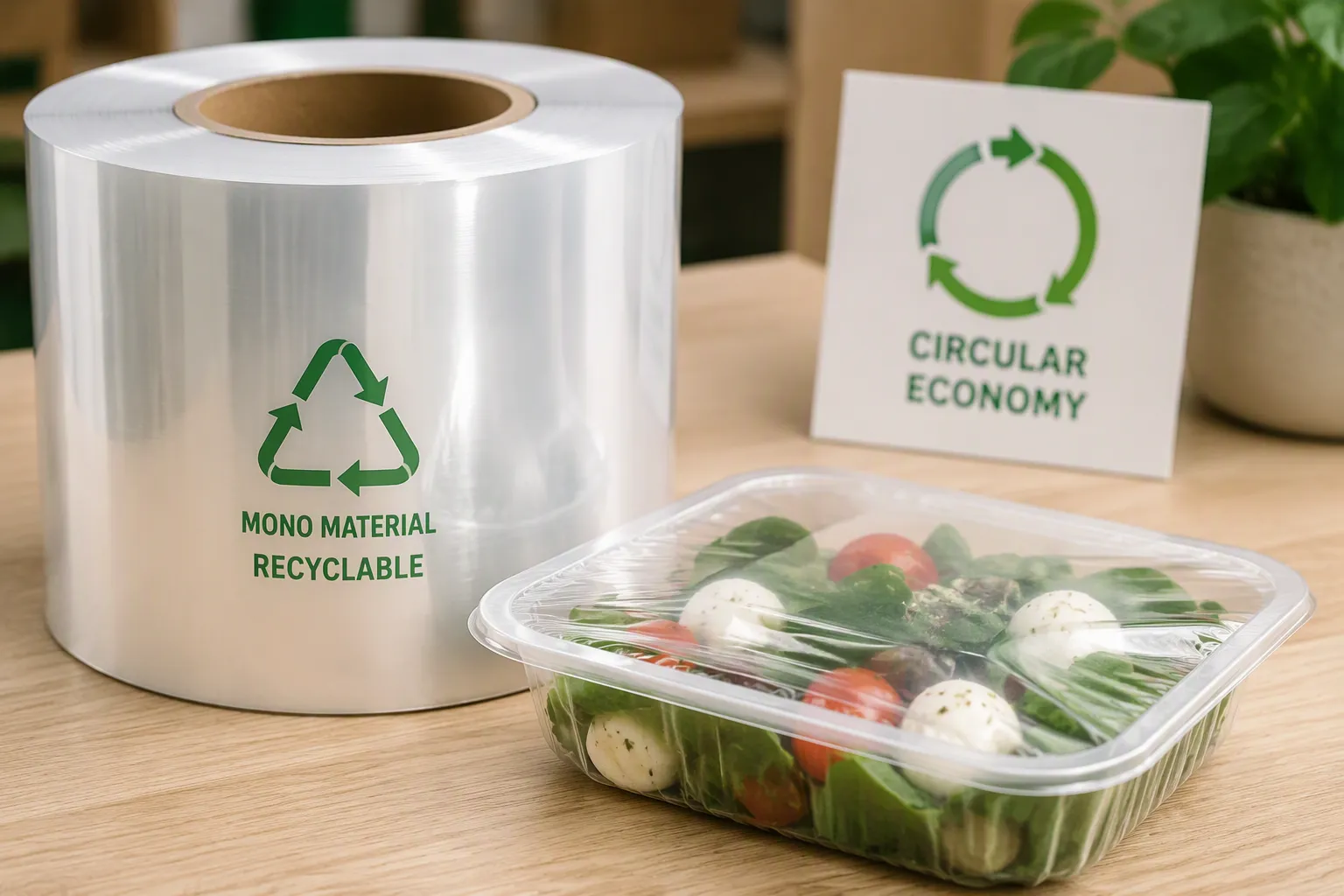
Mono-Material Films for Easier Recycling
Traditional composite packaging combines several materials. This structure creates excellent barriers but complicates recycling. You must separate each layer before processing, which costs time and money. The output quality often drops, resulting in downcycled products with lower value.
Mono-material packaging solves this problem. A single polymer structure enters the recycling stream directly without separation steps. The output maintains high purity, making it suitable for reuse in new films. This film-to-film cycle fits perfectly within a circular economy model.
Feature
Traditional Composite Packaging
Mono Material Packaging
Recycling Process
Requires separation; complex and costly
Directly enters recycling stream
Output Quality
Downcycled; lower value
High purity; suitable for reuse
Circular Fit
Poor
Excellent (e.g., film-to-film)
However, mono-material films face challenges. Multi-layer structures often include aluminum foil or specialized polymers like EVOH to achieve nearly zero oxygen transmission. Replicating that performance with a single material proves difficult. Early mono-material prototypes also struggled with heat resistance during high-speed sealing. You must weigh these trade-offs when considering a switch.
Biodegradable and Compostable Alternatives
Biodegradable films offer another path forward. The market shows strong momentum in this direction. Many food and beverage companies have adopted biodegradable packaging films to meet sustainability goals, and a significant portion of consumers actively seek products packaged with these materials.
Film Structure
Description
Typical Use
Mono-layer
Single polymer, no delamination risk, predictable composting
Bread bags, produce bags
Multi-layer
Combines polymers for enhanced barrier and strength
High-barrier food packaging
Laminate
Bonded layers for specific performance needs
Premium and specialized applications
The food sector is a major driver of demand for these films, and many producers invest in research to improve barrier protection and shelf life of biopolymer-based films. The market now shifts from simple single-layer bio-based films toward multilayer, high-barrier solutions. These emerging options challenge traditional materials by offering enhanced performance while maintaining compostability.
Smart Packaging and Active Barrier Technologies
Beyond sustainability, technology transforms what lidding films can do. Passive barriers simply block external threats. Active and smart packaging takes a more proactive approach to protecting your food.
Integrating Sensors for Freshness Indicators
Imagine opening your refrigerator and knowing instantly whether a product remains safe to eat. Smart lidding films make this possible. These films integrate sensors that monitor conditions inside the package. Color-changing indicators alert you when freshness declines or temperatures fluctuate dangerously.
These sensors detect oxygen levels, pH changes, or microbial growth. You receive a clear visual signal about product quality without opening the package. This technology reduces food waste by helping you use products at their peak. It also builds trust between brands and consumers who value transparency about what they eat.
Active Films for Extended Shelf Life
Active lidding films go beyond sensing problems—they solve them. Oxygen scavenging films contain oxidizable polymers that chemically bind with oxygen in the package headspace. This reaction prevents oxidative rancidity and off-flavor development before they start.
The mechanism works through two complementary actions. A photo-initiator triggers the reaction when exposed to light. A catalyst then accelerates the process, removing oxygen before it can degrade your food. Research has shown that oxygen scavenging films can extend shelf life of products like peach puree, preserving color quality throughout storage.
Meeting Evolving Consumer Demands
Consumer preferences shape packaging design as much as technology does. You must listen to what shoppers want and respond with features that improve their experience.
Convenience Features and Portion Control
Modern lifestyles demand convenience. Single-serve meals and meal-prep kits drive the need for portion-controlled packaging. Lidding films support this trend with easy-open features that work reliably every time.
Transparency: High-clarity films let consumers see the product on the shelf, which appeals to those who want visual confirmation of quality.
Portion control: Single-serve packaging helps manage portions and reduces waste from unused leftovers.
Additional features: Peelable, tamper-evident, anti-fog, and easy-open properties rank among the most requested design elements.
Peelable films maintain integrity under harsh conditions, making them ideal for single-serve applications. You get convenience without sacrificing safety.
Transparent and Minimalist Packaging Designs
Consumers increasingly prefer seeing exactly what they buy. Transparent lidding films showcase the product inside, building trust through visual proof of quality. Minimalist designs with clean lines and simple graphics appeal to shoppers who value authenticity over flashy marketing.
This shift toward transparency also supports sustainability messaging. When consumers see the actual product, they connect more deeply with its origin and quality. Brands that embrace this aesthetic communicate honesty and confidence in their offerings.
Sunkey Packaging invests heavily in research and development to stay ahead of these trends. Their team monitors market shifts and regulatory changes continuously. By partnering with innovative suppliers like Sunkey, you future-proof your packaging strategy. You gain access to cutting-edge materials, smart features, and sustainable solutions that position your brand for long-term success in a rapidly changing marketplace.
Lidding films play a vital role in modern packaging. You see them on fresh produce, dairy cups, and ready-to-eat meals. These lidding films keep food safe and extend its shelf life. They also provide easy-open convenience. Choosing the right lidding affects product quality, your brand image, and sustainability goals. Sunkey Packaging leads with innovative solutions. Their super hydrophobic yogurt film eliminates waste. Their sustainable manufacturing reduces carbon footprint. You deserve a partner that values both performance and our planet. Visit sunkeypackaging.com for personalized guidance. Contact Sunkey for custom lidding solutions. Sunkey helps you create better packaging.
FAQ
What are lidding films made of?
The film is made of many layers. The outer layer is for printing. The middle layer keeps out oxygen and moisture. The inner layer seals the container. Each layer has its own job for protection.
How do lidding films maintain freshness?
They make a tight seal that blocks air. This keeps oxygen and moisture away. The barrier layer stops food from going bad. Your items stay fresh much longer than with normal packaging.
Can you microwave lidding films?
Yes, some are safe for the microwave. You vent the film or pull back a corner. The material can take high heat without melting. Reheating is fast and easy, and you need no extra dishes.
Are lidding films recyclable?
Many new films can be recycled. Films made from one material go right into recycling. Sunkey uses water-based inks and earth-friendly materials. Check your local recycling rules for exact steps.
What makes a lidding film easy to peel?
The sealant layer controls how hard you pull. Tiny hole designs lower the force needed. Sunkey's film is designed for effortless opening. Opening is easy, but the seal stays strong.
How do you select the right lidding films for your product?
Think about your product type and storage needs. Decide what barrier you need for oxygen and moisture. Test the film on your packaging line. Work with experts to get a custom solution.
What is super hydrophobic technology?
This coating stops yogurt from sticking to the lid. The surface is highly water-repellent, ensuring you get zero waste from every cup. No food stays on the film after you open it.
Select your packaging needs by filtering through our comprehensive categories. If you don't find what you're looking for, feel free to contact us for custom solutions.